Charity Simon
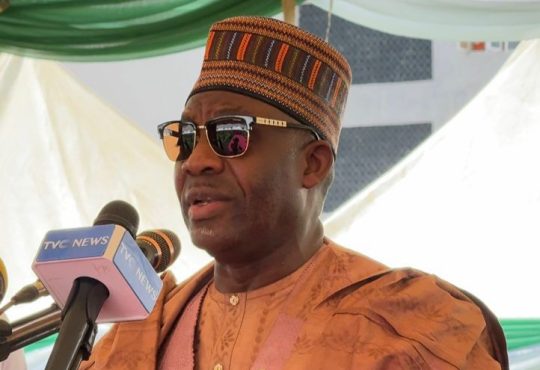
The Executive Secretary of the Tertiary Education Trust Fund, Arch Sonny Echono, has called for a strict merit-based system in the appointment of Vice-Chancellors across Nigeria’s Federal Universities.
Echono made the call on Thursday while delivering a public lecture on research findings at the University of Abuja.
He warned that political interference in leadership selection undermines academic excellence, institutional stability and good governance in the tertiary education sector.
The lecture, organised by the Abuja Leadership and Governance Centre, had the theme “Leadership Selection Process and Governance of Federal Universities in Nigeria (1993-2024).
“He noted that political considerations can affect governance, academic excellence and institutional development in universities.
According to findings he presented, there is a strong positive correlation between transparent and inclusive leadership selection processes and effective governance in federal universities.
Echono said institutions that embrace accountability, stakeholder participation and transparency tend to enjoy greater trust, improved governance structures and stronger institutional performance.
“The research clearly demonstrates that transparent and inclusive leadership selection processes are critical to effective governance in our federal universities. Institutions that prioritise accountability and stakeholder engagement consistently record better governance outcomes and stronger institutional stability,” he said.
“Where leadership appointments are conducted openly and fairly, universities are better positioned to achieve their academic objectives, strengthen public trust and foster a culture of excellence.”
He added that leaders who emerge through credible and inclusive processes are more likely to introduce policies that encourage research, strengthen collaboration among scholars and create enabling environments for teaching and learning.
Echono noted that federal universities which engage students, faculty members, alumni and other stakeholders during leadership selection demonstrate greater commitment to social responsibility and ethical governance, and that such engagement strengthens the legitimacy of leadership appointments and fosters a sense of ownership among university communities.
However, the research presentation identified political interference, nepotism and corruption as major obstacles to effective governance in federal universities.
Echono said these challenges continue to erode the integrity of leadership selection processes and negatively affect institutional performance.
“Political interference, nepotism and corruption remain among the greatest threats to good governance in our universities. When leadership appointments are influenced by factors other than merit and competence, the entire institution suffers. Universities must be protected from undue external influence if they are to fulfil their mandate of producing quality graduates, conducting impactful research and contributing meaningfully to national development,” he stated.
To address the challenges, the TETFund boss recommended the establishment of clear and standardised guidelines for leadership selection across federal universities.
He said policymakers should develop and enforce transparent procedures covering appointment processes, qualification requirements and stakeholder participation, and that such guidelines should be made publicly accessible so students, academic staff, alumni and members of the public understand the criteria and procedures guiding leadership appointments.
Echono further called for the creation of inclusive search committees comprising representatives of faculty, students, alumni and industry stakeholders, noting that broad representation would enhance credibility, legitimacy and public confidence.
“University administrations should establish inclusive search committees that reflect the diversity of stakeholders within the institution. This approach will broaden perspectives, improve transparency and strengthen confidence in the outcome of the selection process,” he said.
On transparency, he urged universities to publicly advertise all leadership vacancies with clear qualification requirements and application procedures, and called for greater openness in decision-making and a review of the role of Pro-Chancellors and Governing Council Chairmen who simultaneously serve as heads of selection committees.
He also advocated the deployment of technology-driven systems such as centralised online application platforms, electronic voting systems, virtual town hall meetings, digital archiving and transparent reporting mechanisms to improve integrity.
Speaking on accountability, Echono recommended regular independent audits of leadership appointments and governance practices to ensure compliance with established regulations, and effective feedback mechanisms through which stakeholders can report grievances.
“Accountability must remain at the heart of university governance. Regular audits and credible feedback mechanisms are essential safeguards against abuse, manipulation and violations of established procedures,” he said. He expressed confidence that implementing the recommendations would significantly strengthen governance structures in federal universities and improve educational outcomes nationwide.
Earlier, the Vice-Chancellor of the University of Abuja, Prof Hakeem Babatunde Fawehinmi, emphasised the need for academic leadership, institutional reform and merit-based governance in Nigerian universities.
He described the lecture series as a significant milestone designed to promote intellectual discourse on leadership and governance in higher education, and hailed Echono’s extensive public service experience including roles as Permanent Secretary in key federal ministries.
Fawehinmi, however, raised concern about governance challenges in the university system, warning that some councils are beginning to politicise the process of vice-chancellor appointments.
The Director of the Abuja Leadership Centre, Professor Abdulhamid Ozohu-Suleiman, said the centre was established by TETFund to advance leadership excellence in the country.
He said the lecture aimed to reverse the long-standing practice of neglecting intellectual works and commended the Vice-Chancellor for restoring peace and stability to the university within a short period.
The event also featured a dialogue in which experts spoke on the challenges of leadership selection in universities and possible ways of overcoming them.