Charity Simon
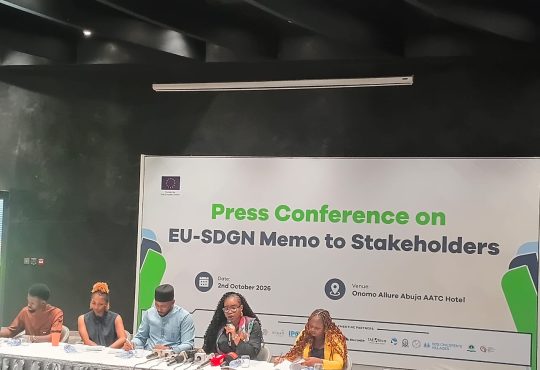
A coalition of Civil Society Organisations (CSOs) has described the recent amendment to Nigeria’s Electoral Act as a missed opportunity to introduce far-reaching reforms capable of strengthening the country’s democratic process ahead of the 2027 general elections.
Speaking at a press conference in Abuja, the coalition said while the amendment contains notable improvements, it fell short of addressing key concerns raised by stakeholders during public consultations.
The organisations are Yiaga Africa, The Kukah Centre, Centre for Media and Society (CEMESO), International Press Centre (IPC), ElectHER, Nigerian Women Trust Fund, and TAF Africa.
They criticised the process leading to the passage of the amendment by the National Assembly of Nigeria, alleging that certain provisions were altered at the last minute without adequate transparency. According to the CSOs, some lawmakers reportedly relied on assurances from legislative leadership rather than scrutinising the final harmonised version of the bill before its adoption.
They argued that the rushed conclusion of debates on sensitive clauses weakened legislative oversight and limited opportunities for broader stakeholder engagement.
The coalition also expressed concern that presidential assent was granted despite appeals from advocacy groups seeking the retention of what they described as critical safeguards.
However, the CSOs acknowledged several progressive elements in the amended law. These include provisions for downloadable voter cards to reduce disenfranchisement, disability-inclusive voter registration with disaggregated data by disability type, and stricter penalties for electoral malpractice including a minimum 10-year jail term for returning officers found guilty of falsifying results.
While welcoming these improvements, the coalition maintained that the amendment did not go far enough in strengthening transparency, accountability, and public trust in Nigeria’s electoral system.
The CSOs called on lawmakers, electoral authorities, and the executive to prioritise openness and inclusive dialogue in future electoral reforms to ensure that the legal framework fully reflects the aspirations of Nigerians for credible and transparent elections.
Meanwhile, the spokesperson of the House of Representatives, Hon. Akin Rotimi, has defended the role played by the Green Chamber in the amendment of the Electoral Act, dismissing allegations of irregularities and lack of transparency in the legislative process.
Responding to concerns about alleged last minute changes to the harmonised version of the bill, the lawmaker who was at the briefing maintained that the amendment process complied with constitutional provisions and the established rules of the National Assembly of Nigeria
According to him, the bill underwent committee scrutiny, stakeholder engagement, and clause-by-clause consideration before its passage. He explained that the harmonisation stage where differences between the House and the Senate versions are reconciled is a standard legislative procedure and not an unusual development.
Rotimi acknowledged that electoral reform is often contentious but stressed that lawmakers acted in the overall national interest. He added that members were adequately briefed on the content of the final document before adoption.
While reiterating the commitment of the House to transparency and accountability, Rotimi called on stakeholders to continue constructive engagement to strengthen Nigeria’s democratic institutions ahead of the 2027 general elections.