Charity Simon
The Federal Government has launched the Nigeria Genomic City, a flagship project designed to reposition the country as a knowledge and innovation-led economy by tapping into its rich genomic assets to boost research, healthcare services, food security and long-term economic development.
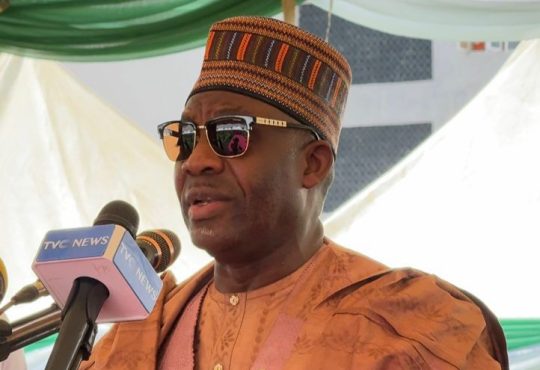
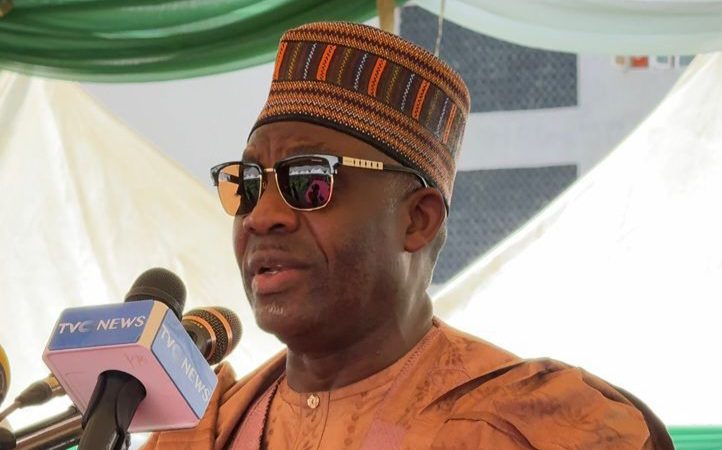
Speaking at a high-level stakeholder engagement in Abuja on Thursday, the Minister of Education, Dr. Maruf Tunji Alausa, cautioned that Nigeria’s fast-growing population could turn into a burden if the nation does not make targeted investments in science, research and innovation.
“The largest demographic dividend the world has ever seen could become a demographic crisis for us if we do nothing. We have no alternative but to act,” the Minister said. He added that the Genomic City will establish Nigeria as a leading African center for genomics, biotechnology and precision medicine.
Dr. Alausa explained that the idea, which was conceived over 20 months ago, was purposely structured as a cross-agency and cross-ministerial initiative because of its strategic importance to the nation.
Though the concept began during his time as Minister of State for Health, he said the project was deliberately framed as a national asset rather than being tied to one ministry.
According to him, the Tinubu administration is focused on moving Nigeria away from a resource-dependent economy toward one powered by knowledge, technology, research and innovation. He observed that while advanced nations have built trillion-dollar biotech industries, Nigeria has yet to fully exploit one of the world’s most diverse genomic resources.
The Minister also raised concerns about unfair international data-sharing practices that allow African genomic data to create huge value overseas with minimal returns for Africa. He stressed the need for Nigeria to assert control over its data, safeguard its scientific resources and pursue global partnerships based on mutual benefit.
Dr. Alausa further disclosed that government is in the final stages of setting up the National Research and Innovation Development Fund, which is projected to generate about $500 million yearly to fund research and innovation across the country.
He expressed confidence that after review by the Federal Executive Council and the National Assembly, the bill will receive presidential assent soon.
He announced that the University of Abuja will serve as host for the Nigeria Genomic City. The National Information Technology Development Agency, NITDA, the National Board for Technology Incubation and other key partners will provide technical and innovation support. The Federal Ministry of Education, he added, will oversee coordination and ensure effective collaboration among all institutions involved.
The Minister of State for Education, Prof. Suwaiba Said Ahmad, described the initiative as a rare opportunity for Nigeria to lead in global scientific innovation instead of trailing behind.
She noted that Nigeria’s large population, growing research base and increasing number of technical professionals provide a strong foundation for the project, and pledged the Ministry’s full backing for its rollout.
Delivering the technical outline, Prof. Mayowa Ojo Owolabi, Pioneer Director of the Centre for Genomic and Precision Medicine at the University of Ibadan and originator of the Nigeria Genomic City, called the project a transformative investment that will reshape healthcare, agriculture, biotechnology and the national economy.
Prof. Owolabi said the project will build a durable national platform powered by genomic, biological and health data to drive the discovery, development and commercialization of new solutions for preventing, diagnosing and treating diseases.
It will also improve crop and livestock output, enhance food security and promote inclusive economic growth.
He noted that Africa has the richest genetic diversity in the world, giving Nigeria a unique advantage to become a global hub for genomics, precision medicine and biotechnology.
According to him, the initiative will protect the country’s genomic resources through robust data sovereignty and intellectual property protections, while deploying artificial intelligence and bioinformatics to speed up scientific discoveries.
The project will also train a world-class scientific workforce, attract both local and foreign investment, deepen engagement with Nigerian researchers abroad, and shift Nigeria from being a consumer of foreign innovations to an exporter of homegrown biotech solutions.
Reaffirming government’s commitment, Dr. Alausa assured stakeholders that the Ministry of Education will continue to provide strategic leadership to ensure the successful delivery of the Nigeria Genomic City.
He expressed optimism that cooperation among government, academia, industry, development partners and the private sector will unlock Nigeria’s scientific potential and boost its global competitiveness for future generations.